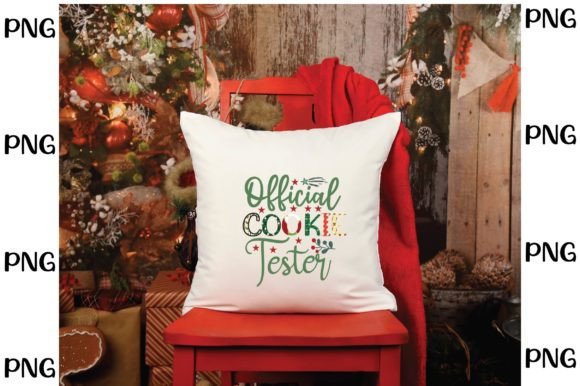
Official Cookie Tester Sublimation Svg D Review
As a designer who has spent years navigating the chaotic world of digital assets and physical stitching, I approach every new file with a mix of excitement and skepticism. You want that perfect design to elevate your handmade products, but you also need to know if it will actually hold up under the needle or if it is just another pretty picture destined for the trash bin. Recently, I evaluated Official Cookie Tester Sublimation Svg D, a design categorized under Crafts and Graphics, specifically looking at how it translates from a flat image into a tangible, stitched reality. While the product description highlights high-resolution PNG files and 300 dpi quality for printing on mugs and t-shirts, my focus was strictly on its potential as an embroidery project.
The First Impression: Mood and Visual Personality
The moment you open the file for Official Cookie Tester Sublimation Svg D, the vibe is immediately clear. It exudes a cozy, festive energy that screams holiday comfort. The layout is centered around a playful theme that fits perfectly into the current trend of personalized gifts and boutique branding. Visually, the design feels balanced; it is not so cluttered that it loses its charm, nor is it so sparse that it looks unfinished on a garment. For a small business owner or an Etsy seller, this kind of visual personality is gold because it instantly communicates warmth and humor to the customer.
However, there is a crucial distinction to make here. The product title mentions "Sublimation," which typically refers to dye-sublimation printing on polyester fabrics. If you are planning to use this as a machine embroidery design, you must mentally translate those vector lines into stitches. The colorful nature described in the listing suggests a vibrant palette, which is excellent for catching the eye on a tote bag or a sweatshirt, but it requires careful thread selection to avoid a muddy look when stitched.
Real-World Application: From Screen to Stitch
I decided to test the viability of Official Cookie Tester Sublimation Svg D by imagining it on a custom embroidered tote bag for a local holiday craft fair. This is a classic scenario where a simple graphic can become a bestseller. The design's scale, noted as 12x12 inches in the digital preview, offers plenty of room for creative interpretation. On a canvas tote, the "Cookie Tester" theme would pop beautifully, especially if paired with warm autumnal tones like burnt orange, deep red, and cream.
For a baby item, such as a onesie or a soft blanket, the design takes on a different weight. The playful nature of the subject matter works well for nursery decor, provided the stitch density is managed correctly. Embroidery adds texture and dimension that print cannot match, giving the finished product a premium feel. Customers often pay more for items that show evidence of craftsmanship, and a well-executed embroidery file signals quality. Whether used for a patch, an apron, or a kitchen towel, the design has the versatility to fit into various categories of handmade products.
Consider the commercial aspect as well. For a creative entrepreneur selling digital embroidery designs or finished goods, this asset could serve as a core part of a holiday collection. It fits the narrative of "holiday embroidery" perfectly, appealing to buyers looking for unique, personalized gifts. The design's clean lines suggest it could also work well on curved surfaces like caps, though that introduces specific challenges regarding distortion and hoop stability.
Where Caution is Required: Fabric and Technique
While the concept is strong, the execution depends heavily on the materials and techniques employed. There are specific scenarios where Official Cookie Tester Sublimation Svg D might struggle if not adapted properly. For instance, using this design on textured fabrics like heavy denim or boucle wool can obscure fine details. The contrast between the thread and the fabric texture becomes critical; if the background is too busy, the "cookie tester" motif may get lost in the weave.
Thin or stretchy fabrics present another hurdle. If you attempt to stitch this onto a lightweight jersey or a sheer curtain without adequate support, the puckering effect could ruin the aesthetic appeal. In these cases, using a proper stabilizer is non-negotiable. A floating method or a cut-away stabilizer would likely be necessary to maintain the integrity of the stitch density and ensure the design remains crisp after washing.
Dense stitch areas are also a concern. If the original digital artwork contains intricate details or tiny lettering, converting these directly to satin stitches can result in thread breaks or a stiff, uncomfortable hand feel. Small hoop sizes are particularly risky for this type of design. Trying to cram a complex layout into a 4x4 hoop often forces the machine to over-compensate, leading to poor registration. Furthermore, dark fabrics require a different approach; you may need to apply a tear-away underlay or a specific thread color strategy to ensure the colors remain true and do not bleed visually.
Visual Appeal and Customer Trust
In the competitive world of handmade goods, the difference between a generic item and a standout product often lies in the finishing touches. A well-stitched Official Cookie Tester Sublimation Svg D elevates the perceived value of the entire piece. It transforms a standard tote bag into a statement accessory and turns a basic tea towel into a cherished gift. This level of detail fosters customer trust and encourages repeat business, as buyers associate the quality of the embroidery with the professionalism of the brand.
The design also enhances the "giftability" factor. Personalized items with a touch of humor, like a cookie tester theme, resonate deeply during the holidays. They show thoughtfulness and effort, which are key drivers for engagement on platforms like Etsy or at craft fairs. However, this only holds true if the final product looks professional. Sloppy stitching or misaligned elements can quickly erode buyer confidence, regardless of how cute the original design is.
Practical Designer Notes for Success
Before committing to a full production run or a client project, I strongly advise taking a few practical steps. First, always test the design on scrap fabric that matches your intended material. This allows you to check thread color contrast and observe how the fill stitch behaves against the specific grain of the cloth. Do not assume that what looks good on screen will translate perfectly to thread.
Review the stitch density carefully. If the design appears too dense, consider simplifying it or adjusting the settings to prevent bulkiness. Confirm your hoop size early on to ensure the design fits within the available working area without cutting off important elements. Inspect small details closely; sometimes, letters or decorative accents need to be enlarged slightly to remain legible after stitching.
It is also wise to test the design in black and white mockups to see if the composition holds up without the distraction of color. Compare how it looks on both light and dark backgrounds to determine if you need to add a backing layer or change your thread choices. Finally, verify the licensing terms associated with the digital embroidery file. Ensure you have the rights to sell finished products created with Official Cookie Tester Sublimation Svg D, especially if you are running a commercial embroidery business.
By treating this design with the respect and technical care it deserves, you can turn a simple digital asset into a high-quality, profitable product. Whether you are creating a custom apparel line, a set of holiday gifts, or a boutique collection, paying attention to these details ensures that your final output reflects the skill and creativity you put into your craft business.